


 2024-11-11
The "Xin Hui Mandarin," which is sweeter than the green-skinned mandarins, is now available in the market, and even sweeter "Da Hong Gan" mandarins will follow until mid-December. While purchasing Xin Hui mandarins to make dried tangerine peel, it's also time for everyone to refresh their memory on how to make homemade mandarin jam to prevent tons of mandarin pulp from being discarded, which would be a great waste. Additionally, you can simply juice the mandarin pulp, make dried mandarin slices, or even cook dishes with it. If you really have too much pulp, you can share it in the Food Wiser Facebook group to avoid waste. The link to the Food Wiser Facebook group can be found in the comments.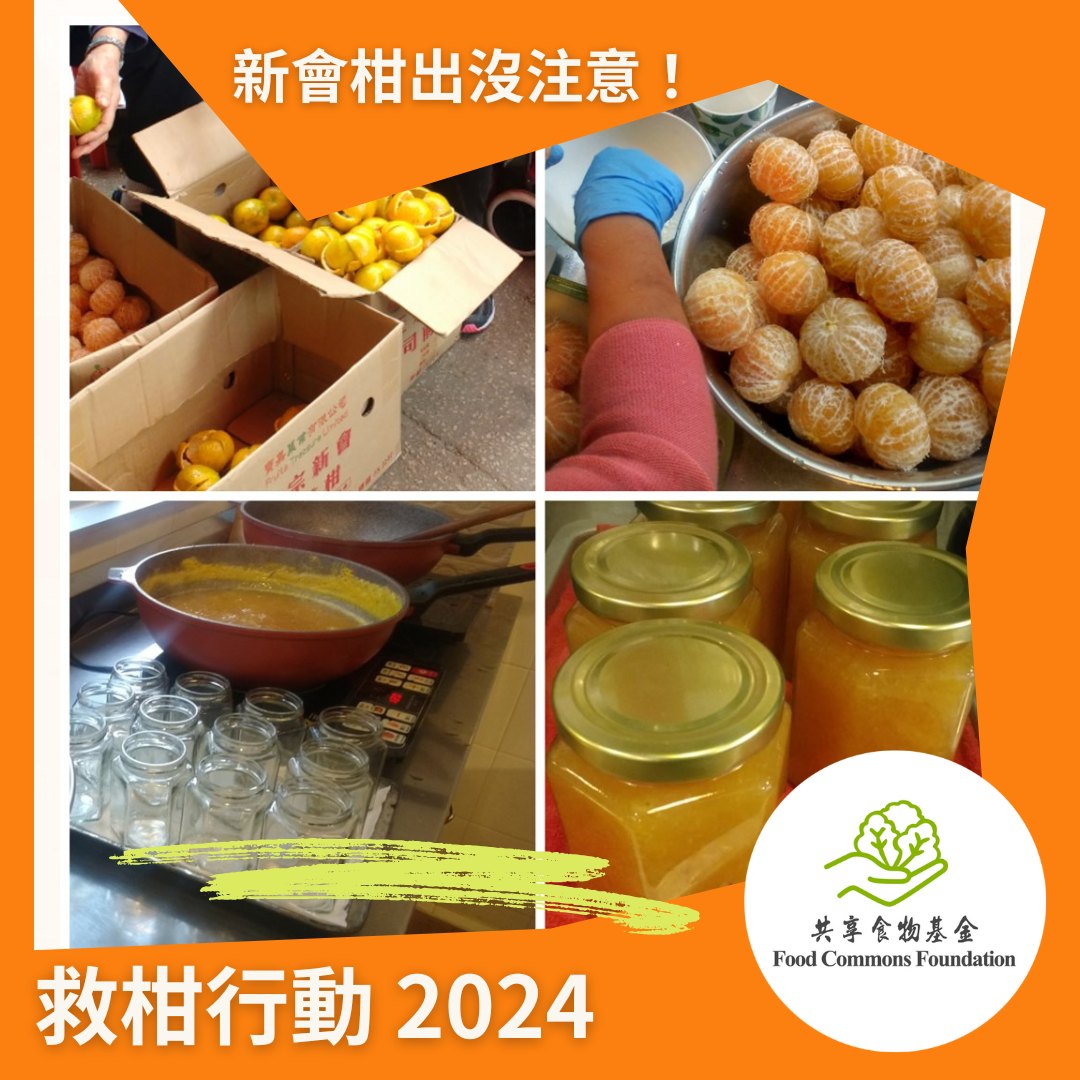
Mandarin Saving Strategy:
- Visit nearby markets, fruit stalls, or the Yau Ma Tei fruit wholesale market (around 3 PM during non-busy hours) and greet the vendors, asking them to reserve clean mandarin pulp for you.
- Prepare the ingredients and containers needed for making the jam.
- Collect the mandarin pulp at the appropriate time.
- Refrigerate it for later use and make the jam as soon as possible.
Homemade Mandarin Pulp Jam Recipe:
Tools Needed: Glass jars for jam, electronic scale, pot, large bowl, metal spoon.
Ingredient Ratio: 1,000 grams of mandarin pulp (about 6 mandarins), 1 lemon, 400 grams of rock sugar will yield about 600 grams of homemade jam.
Instructions:
- Wash the glass jars thoroughly, sterilize them by boiling in high-temperature water, and allow them to dry for later use.
- Remove all the white membranes from the surface of the pulp, deseed it, and roughly break the pulp into pieces, placing it into the large bowl.
- Add the required amount of rock sugar to the pulp in the pot without adding water. Use low heat to extract moisture from the pulp, then switch to high heat to bring it to a boil, stirring continuously to ensure the sugar dissolves evenly and does not burn.
- Once boiling, immediately cut the lemon in half and squeeze the juice of the entire lemon into the pot.
- Simmer on low heat for about 45 minutes until the moisture gradually evaporates and it reaches a jam-like consistency. Stir occasionally to prevent burning.
- Take a small amount of jam with a spoon and drop it on a plate. Tilt the plate; if the jam flows easily, it means there's still too much moisture, and it needs to cook a bit longer.
- The longer you cook it, the closer the final product will be to a jelly-like consistency.
- Once cooked, jar the jam while it's still hot, trying to avoid dripping on the jar rim. Tighten the lid and turn the jar upside down to create a vacuum. After cooling, store it in the refrigerator.
- Since homemade jam does not contain preservatives, once opened, it must be refrigerated and consumed within about three weeks.
- When you taste it, you'll discover that the homemade mandarin pulp jam, free from preservatives and unnecessary ingredients, is particularly sweet and delicious, and it helps save the mandarin pulp from landfills, which is meaningful.
- Sugar acts as a preservative. If you want to reduce the sweetness, use less sugar, but this will shorten the storage period, requiring faster consumption.
Additionally, you can slice the mandarin pulp and dry it using a dehydrator or an oven to make dried mandarin slices, which can be stored longer, extending their usability.
There are many ways to prevent food waste, and you can also use it for cooking. If you have any new recipes or ideas for using mandarin pulp, please share them with us so we can all work together to reduce waste!